
Tips for Choosing Calm Colors to Create a Relaxing Home
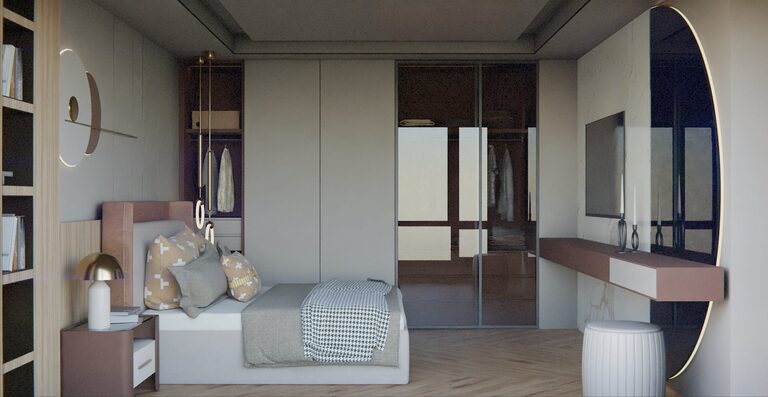
Creating a peaceful atmosphere at home starts with the colors you choose for your walls, furniture, and accessories. Calm colors can transform your living spaces into tranquil retreats that help reduce stress and promote relaxation. Whether you’re redecorating a single room or your entire house, understanding how to select and use calming colors effectively is key. In this post, we’ll explore practical tips for choosing calm colors and incorporating them into your home design.
Why Choose Calm Colors?
Calm colors are often soft, muted tones that evoke a sense of serenity and balance. These colors help create a relaxing environment, which can improve your mood and overall well-being. Unlike bright or intense hues that energize and excite, calm colors are gentle on the eyes and promote a feeling of restfulness.
Some benefits of using calm colors in your home include:
– Reducing anxiety and stress
– Enhancing focus and mindfulness
– Creating a welcoming and comfortable space
– Complementing natural light and surroundings
Popular Calm Color Options for Your Home
When thinking about calm colors, several shades come to mind:
Blues
Soft blues resemble the sky and water, naturally soothing and refreshing. Light blue tones are perfect for bedrooms or bathrooms where you want a peaceful vibe.
Greens
Green is associated with nature and renewal. Muted greens, like sage or olive, bring a touch of freshness without overwhelming a room.
Neutrals
Beige, cream, and light greys offer a subtle backdrop that helps other design elements stand out while maintaining calmness.
Lavenders and Soft Purples
Gentle purples with hints of blue can evoke calmness and creativity.
Warm Pastels
Peach, blush pink, and soft yellows add warmth and calm energy without being too bright.
Tips for Choosing Calm Colors
1. Consider the Room’s Purpose
The function of a room influences which calm colors work best:
– Bedroom: Choose soft blues, muted greens, or lavender to enhance relaxation and sleep.
– Living Room: Neutral tones with accents of warm pastels encourage comfortable gatherings.
– Bathroom: Light blues or greens create a spa-like atmosphere.
– Home Office: Calm neutrals with soft blues or greens can improve focus without distraction.
2. Test Colors in Different Lighting
Colors can appear different depending on natural and artificial lighting. Always test paint samples on your walls and observe them at various times of the day to see how they change.
3. Use Color Pairings
Combine calm colors with complementary or analogous shades for visual interest:
– Soft blue with creamy beige
– Sage green with light grey
– Lavender with pale pink
Pairing colors thoughtfully keeps a space calm yet dynamic.
4. Limit Bold Accents
While calm colors dominate the space, small bold accents can add personality without causing visual clutter. For example, a navy throw pillow or a deep green vase can accent a neutral room beautifully.
5. Think Beyond Walls
Calm colors don’t have to be only paint. Incorporate them through furniture, textiles, rugs, and artwork to introduce softness and balance layer by layer.
6. Use Matte and Satin Finishes
Glossy paint can reflect light in ways that make colors appear more intense. Matte or satin finishes help maintain the softness and subtlety of calm colors.
7. Embrace Texture and Natural Materials
Textures like linen, cotton, wood, and stone enhance the calming effect of colors by adding tactile warmth and interest.
Frequently Asked Questions
Can calm colors make a small room feel bigger?
Yes! Light and soft shades reflect more light and create an airy feel, making small rooms look more spacious.
Are cool or warm calm colors better?
Both can work well depending on your personal preference and room purpose. Cool colors like blue and green feel refreshing, while warm pastels add coziness.
How do calm colors affect mood?
Calm colors generally lower stress levels and create a relaxing environment, which helps improve mood and mental clarity.
Final Thoughts
Choosing calm colors for your home is a wonderful way to create a sanctuary where you can unwind and recharge. By considering your room’s purpose, testing colors in lighting, pairing shades mindfully, and incorporating textures, you can craft a serene and inviting space. Remember, the best calm color palette is one that feels right for you and fits your lifestyle.
Take your time exploring different calm hues and enjoy the process of creating a peaceful home you love.